Showing posts with label gold. Show all posts

April 21, 2012

Ottawa: Still Cold

Returning to Ottawa after 22 years, Keith was quickly reminded of a certain kind of March that we just don't have in Vancouver.


However, it also has buildings like no-where else out west. The blowing snow and the stubborn, dramatic structures, like rock formations crystallizing out of the cold ground, were beautiful in a way that they never had been to a busy student.


Byward Market doesn't really compare to Granville Island, but that's just not being fair.


It did offer up a delicious Atlantic salmon pie for lunch.


Bourgeois' Mother spider at the National Gallery.


Roxy Paine's 100 Foot Line looked like a crack in the flat grey sky.


Just outside the front door, the National Gallery has an unintentional piece of light sculpture on their hands. Perhaps we can get a grant to name it and point it out to them, since it's already installed.


Sushi Go has great interiors and logo design. The ramen was okay.


With one word this became our favourite café. We're suckers for Futura anyway.


Aya grabbing $750,000 at the Canadian Mint.


On a completely unrelated note, we went directly to prison after that.


These are the cells converted to dorm rooms in the Ottawa Jail Youth Hostel. (We had a nicer room upstairs).


Chicken breasts from the market, one stuffed with Camembert and cranberries and the other with mushrooms and shallot butter. We cooked them up in the hostel kitchen.
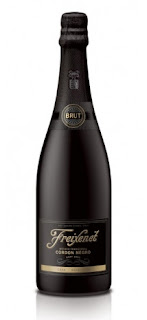
A cold bottle of the ever-reliable Friexenet Cava, with its fine bubbles and citrus-mineral flavour was the perfect match. Prison food is not what it used to be.


The evening train to Montreal, another city full of beautiful buildings and amazing food.

We really did not expect to have quite so many posts about trains.

February 10, 2012

Coffee: The Pour-Over

When we last left our heroes, they had roast the beans, then some better beans, then tested their grinder and were finally promising to actually make the damned coffee.

We take you now to the final installment: Actually Making the Damned Coffee.

These are some Very Important Points that dictate how we do this:
  • coffee freshness
  • how much coffee
  • what kind of filter
  • how much water
  • water temperature
  • timing
Just skip to the end if you're bored already, but you'll miss all the fun.
Twenty-eight grams of Honduran beans from Kafka's. Their beans come from Hermiker, and the roaster's notes are here. They were roast 5 days before we bought them. The bag looks beat-up because we re-used it. Long story, nvmd.

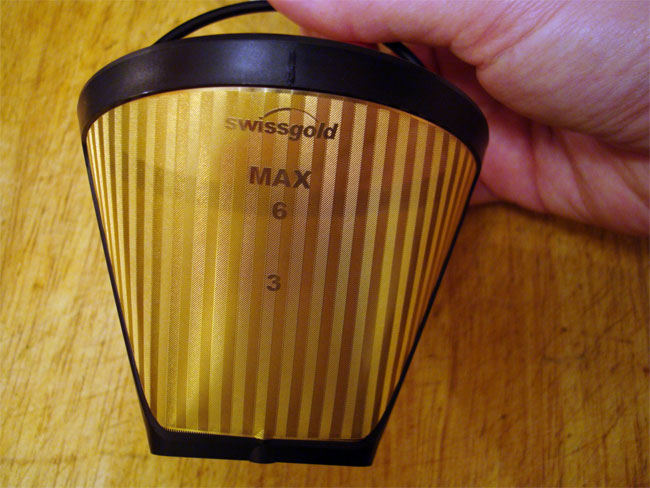
One of the coffee-related gifts we gave ourselves this Christmas is a Swissgold filter basket. While gold isn't chemically inert, it doesn't react with the colloidal* flavour particles in the coffee. A paper filter absorbs them, but this one lets them through.

Some people like the extra particles and oils that the Swissgold filter allows into your brew, but others don't.

We have tested this filter against two kinds of paper filters and with three different kinds of beans: Honduran, Nicaraguan and Costa Rican. We prefer the Honduran in the gold filter and the others in paper.


Gah. This is taking so long! I just want a cup of coffee, not a Wikipedia article!

The set-up: coffee pot, pour-over cone, filter basket. A ceramic pour-over cone would be nice, but it needs to be pre-heated and is not essential.

Grind dem beans, dem beans!


Grounds in the basket.

Pre-heat the pot in the microwave.

A folded towel insulates the scale against the hot coffee. Probably not an issue, but it also makes a firm base for the tower of equipment.

We use the i-Pod's built-in timer, but you can also get some helpful apps specifically made for brewing coffee. We started with a free one from Intelligentsia Coffee. They also have helpful brewing guides in the app and on-line (PDF). We did notice that they never actually say how many cups each method makes, which could lead to some embarrassing situations. This specific site is a great resource for brew methods, too.


Another coffee-specific Christmas gift to ourselves: a fancy-panty kettle with a spout designed for a slow, controlled pour. We have found that 455 grams of water ends up with just the right amount of water for our coffee if we take it off the boil right away.

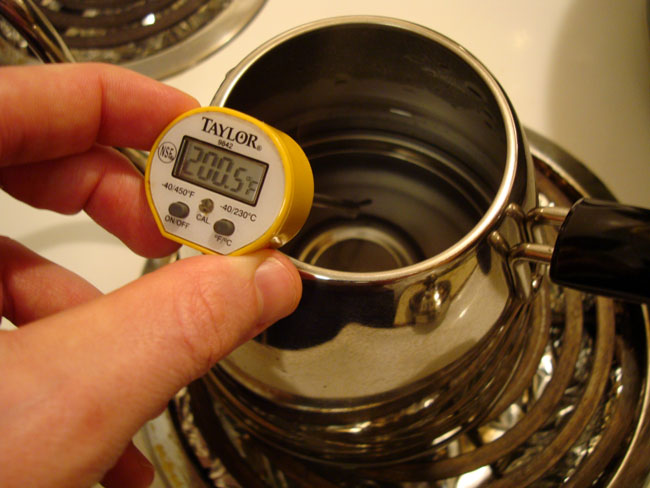
Most pour-over methods suggest a water temperature between 195 and 205 degrees Fahrenheit. This is one of the rare occasions where we prefer to use Fahrenheit since the smaller increments allow for greater control.

At last! Pouring the hot water! Only 65 grams to start, though; just enough to soak the grounds.

The "bloom" will rise and let the grounds release their CO2. Coffee that was roasted less than a week before needs to rest for at least 60 seconds at this point. Coffee older than 7 days can rest for less time, but not less than 30 seconds.

During the bloom/rest, the kettle is returned to a low burner, heating back up to the magic temperature range again.


When the bloom is finished we start the final pour: s-l-o-o-o-w-l-y, in circular motions, keeping the water level constant, soaking all the grounds and staying clear of the edges.

s-l-o-o-o-w-l-y
The pour should take two full minutes.

For 28 grams of coffee the added water should be about 415 grams. We poured a little too much here while fiddling with the camera. (We don't want to spoil the ending for you, but things worked out just fine.)

The Swissgold filter is a bit fragile, we hear, so we gently tap out the grounds before giving it a good rinse.


At long last, we pour from the pot into mugs that were pre-heated in the microwave.

Some people think that anything added to coffee adulterates the taste, but there are so many ways to enjoy it. We have it black for a week or two, then with a little milk or cream. Different beans and roasts show variations on their flavour profiles with each style. We have dropped sugar completely, however, and it's wonderful.

Now that we have this method down, do we do this every day? Absolutely not. We still love our little stove-top moka pot/caffettiera and a microwaved mug of milky instant coffee is a real pleasure.

The fun is in trying a new system and dialing in the variables and the process until you can get a reliable brew. Trying different beans and roasts is just like discovering new wines; when you get it right they reveal all kinds of wonderful flavours.

Not everyone is happy about the rise of the pour-over method, though, especially as a business model.


*Murano Glass is another example of a colloid, which coincidentally has gold chloride added to create its signature ruby colour.

August 13, 2011

BC Camping #4: Mountains

It is easy to be overwhelmed by the mountains in British Columbia. They scrape the bottoms of clouds, shine orange in the sun, and loom over like shaded giants. A few days scooting around their feet will show their many different personalities. They are dry and bare, black and jagged, snow-capped, lush green, softly rounded, imposing, beckoning.

Looking up from our campsite at Ashnola.

Along Highway 3 in the Kettle Valley.

Crow's Nest Pass, Highway 3.

The ridge above Hedley, home to one of Canada's most lucrative gold mines.

At the Mining Museum in Hedley there was a telescope pointed up at the old mining buildings. Aya managed this amazing shot through the eyepiece.

View from our campsite, Marble Canyon Provincial Park.

Behind Church & State winery, Black Sage Bench in the south Okanagan Valley.

Looking across Slocan Lake at Valhalla Provincial Park.

The Trans-Canada Highway reveals treasures like this with alarming frequency.


April 16, 2011

Dig-Dig #15: Follow Up Part 2

Heat treating brought out the colours, and cutting/faceting gave them the sparkle. It's hard to explain how happy Aya is with these results.

The stones were cut to whichever shape allowed the least loss. "Princess" cut is square (-ish).


What is amazing is that there is another batch still to come.
The next step is to start panning gold here in BC and eventually (hopefully) collect enough to make something that will hold these.
Web Statistics